Packaging is about more than just appearance. Consumers discover it, pick it up, open it, handle it, use it and close it again. Each of these interactions contributes directly to the consumer experience and their perception of the product.
But how can you tell whether packaging is genuinely easy to use? Whether it meets users' needs? Whether opening it feels intuitive? Whether its closing system is practical? And whether consumers actually use it as intended during the design process?
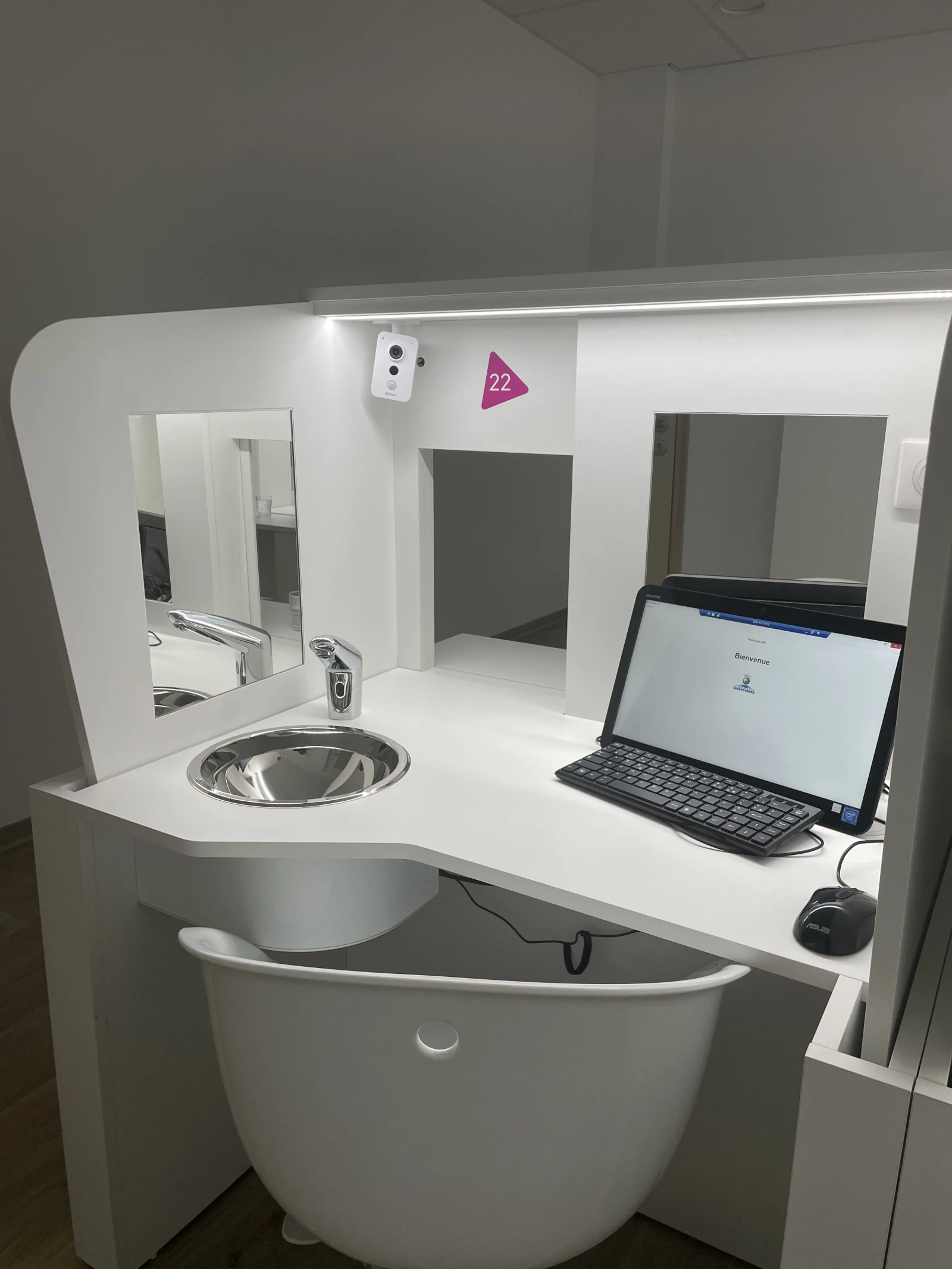
At ACTALIA Sensoriel, we go beyond what consumers say. Thanks to our sensory testing booths equipped with cameras and our proprietary artificial intelligence technology for gesture analysis, we observe, record and analyse actual consumer behaviour to better understand the packaging experience and identify practical areas for improvement.
What is packaging usability testing?
A packaging test involves evaluating packaging with consumers to gather information about their perceptions and user experience. Depending on the study objectives, this evaluation may focus on visual appeal, practicality, ergonomics, understanding of packaging features or overall satisfaction.
Packaging usability testing focuses more specifically on how consumers interact with packaging. It allows us to compare their stated opinions with the actions they actually perform when using it.
This approach helps companies identify the strengths of a packaging concept, any difficulties encountered and potential improvements before market launch or when redesigning existing packaging. Each company can tailor the study to its product development objectives.
Observing consumers using our camera-equipped sensory testing booths
A consumer may say that packaging is practical, easy to open or pleasant to use. However, their actions may reveal a different reality: hesitation when opening it, difficulty handling the cap or several attempts before accessing the product.
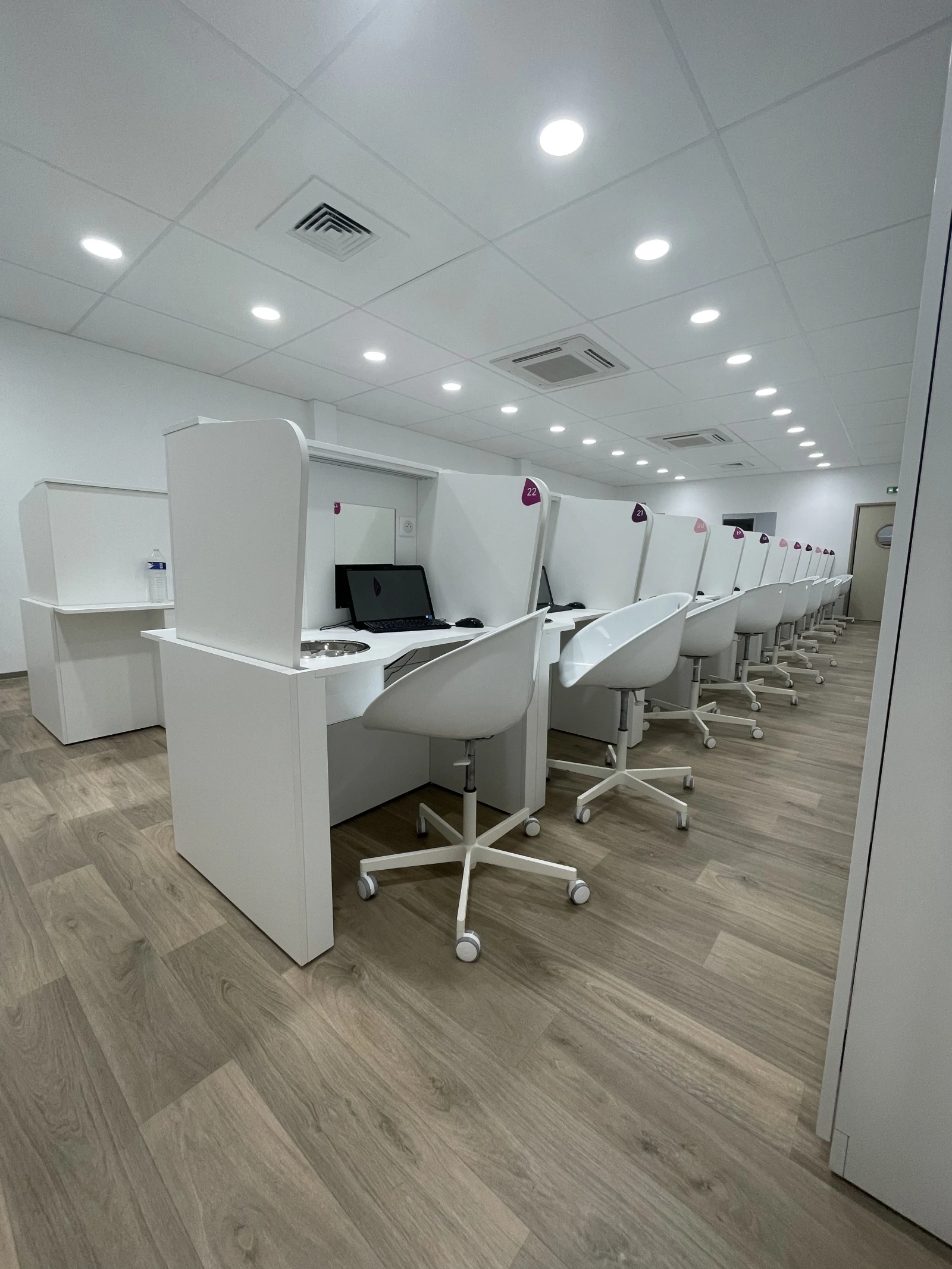
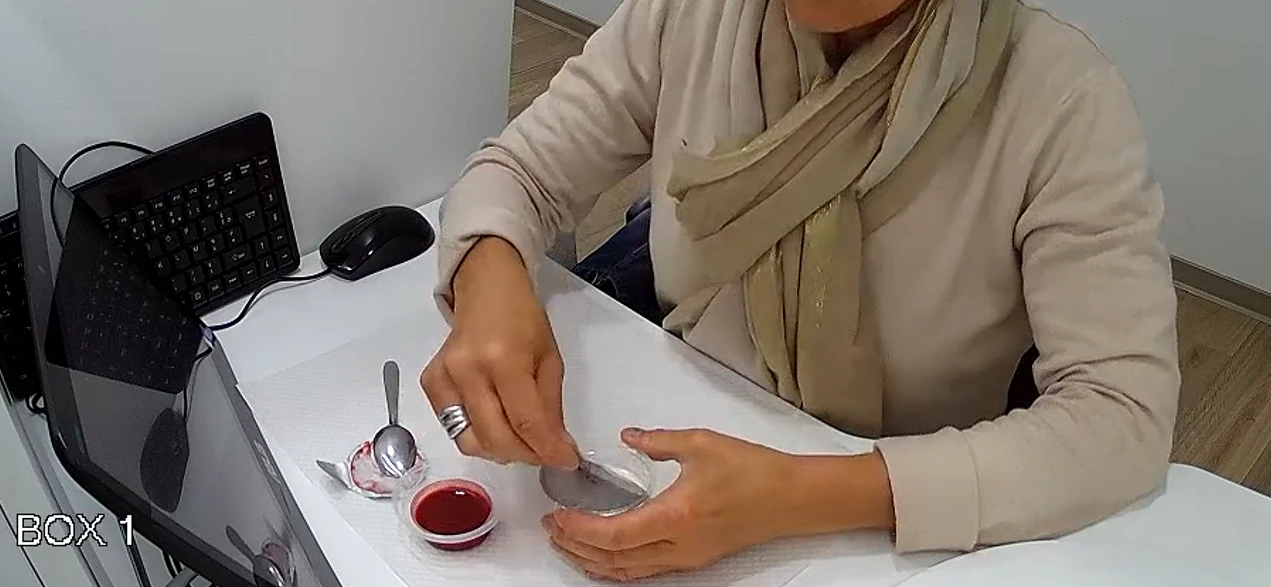
To better understand these situations, ACTALIA Sensoriel has sensory testing booths equipped with cameras at its Caen facility, allowing consumers to be filmed as they discover, handle and use products and their packaging.
This system makes it possible to:
-
Observe consumers in real time as they interact with the packaging.
-
Record individual videos to review each stage of the user experience.
-
Analyse video sequences to identify spontaneous behaviour, hesitation and difficulties.
-
Compare video observations with consumer responses collected during the study.
The benefit? Going beyond what consumers say to understand what they actually do.
Digital video recordings provide an additional resource for analysing usage behaviour in greater depth. They make it possible to revisit specific actions and examine handling steps that might otherwise have gone unnoticed during simple observation.
Combining observed gestures with consumer perceptions
Video observation becomes particularly valuable when combined with participants' responses.
Within the same study, we can collect consumer feedback on packaging and assess various criteria:
-
Ease of opening and closing.
-
Practicality and ease of use.
-
Grip and handling comfort.
-
Ease of dispensing and controlling the amount of product.
-
Perceived quality and functionality of the packaging.
-
Overall satisfaction with the user experience.
By combining these results with video recordings, we can gain a better understanding of the reasons behind positive or negative feedback.
Here are a few examples of possible situations: A consumer considers packaging easy to open but makes several attempts before successfully opening it. A closure system is perceived as practical, but some users do not use it spontaneously. Packaging is appreciated overall, but dispensing the product proves difficult for certain participants.
Combining self-reported data with observation helps move beyond simple findings towards a deeper understanding of actual usage.
It provides R&D, marketing and packaging development teams with valuable information to support their decisions and improve the user experience by identifying packaging strengths, potential frustrations and areas for improvement.
Going further: quantifying gestures using our artificial intelligence technology
Video observation already provides detailed insights into consumer behaviour. But how can this information be analysed on a larger scale? How can usage patterns be compared across numerous consumers?
To address these challenges, ACTALIA Sensoriel has developed its own artificial intelligence model dedicated to detecting and analysing consumers' fine motor gestures, following more than two years of research. Developed entirely in-house by our teams, this computer vision technology analyses videos recorded in our sensory testing booths and transforms observed gestures into objective, quantifiable data.
Specifically, our model makes it possible to:
-
Identify and categorise gestures: detect the different actions performed when using a product or its packaging.
-
Quantify usage patterns: measure the frequency and distribution of observed gestures.
-
Compare behaviours: identify similarities and differences in gestures between consumers or products.
-
Segment consumers based on actual usage: distinguish different behavioural profiles beyond self-reported information.
-
Link gestures to perceptions: explore relationships between observed practices, expressed opinions and consumer perceptions.
This approach can help identify behaviours that support smooth, intuitive use, as well as gestures that may indicate difficulties or unexpected usage patterns.
The objective is not simply to determine whether consumers like packaging, but to understand how they use it and how its characteristics influence the consumer experience.
Our technology was notably presented at Printemps des Études 2025. It complements human expertise and sensory evaluation methods to provide a deeper understanding of interactions between consumers and products.
Which packaging challenges can be explored?
Our observation systems can be used at different stages of packaging development, improvement or redesign.
Opening and closing
Is the packaging easy to open and close? Do consumers immediately understand how it works? Do they need several attempts?
Grip and ergonomics
Is the format suitable for different hand sizes and usage habits? Is handling intuitive? Is the product comfortable to use?
Dispensing and portion control
Is the product easy to dispense? Are consumers' gestures precise? Does the dispensing system allow them to obtain the desired quantity?
Usage and functionality
Are the packaging features understood and actually used? Do additional instructions need to be provided? Do consumers develop their own habits or use certain features in unexpected ways?
Comparing packaging concepts or solutions
Which formats or dispensing systems provide the best user experience? What behavioural differences can be observed between several packaging options?
These questions can apply to different sectors, including food products, cosmetics, hygiene products and everyday consumer goods.
What are the benefits of packaging testing for manufacturers?
Packaging usability testing is a decision-support tool for professionals responsible for designing, developing or improving packaging.
The results can help manufacturers to:
-
Validate a new packaging concept before launch.
-
Compare different technical solutions or designs.
-
Identify usage barriers and points of friction.
-
Improve the ergonomics and practicality of existing packaging.
-
Guide design choices or modifications.
-
Better understand differences in usage between consumer profiles.
These studies can also contribute to understanding user expectations, particularly when companies are looking to redesign packaging as part of a sustainable development project.
A consumer test can explore perceptions of packaging, including its perceived environmental impact. However, it cannot, on its own, determine the packaging's actual environmental impact or verify its compliance with regulatory requirements.
From observation to practical innovation opportunities
At ACTALIA Sensoriel, we combine sensory evaluation expertise, consumer research and technological tools to gain a comprehensive understanding of the product experience.
Our camera-equipped sensory testing booths, video recordings, consumer feedback assessments and artificial intelligence model provide complementary and flexible approaches that can be adapted to the objectives of each study.
Our ambition is to give manufacturers a more complete understanding of how consumers interact with packaging, helping them design solutions that genuinely meet users' habits and expectations.
Are you developing new packaging, looking to compare several solutions or aiming to improve the user experience of your existing packaging?
Feel free to contact the ACTALIA Sensoriel team to discuss your project, submit an enquiry and discover how our observation and gesture analysis systems can meet your needs.
contact@actalia-sensoriel.fr