Expertise and new solutions
How can sensory conformity be ensured throughout a product's journey to market?
Between leaving the factory and reaching store shelves, a food product can undergo changes. Transport, storage and time are all factors that may affect its organoleptic characteristics, such as taste, smell or texture. For manufacturers, the challenge is to monitor the sensory characteristics of finished products and verify that they meet defined quality requirements, beyond the manufacturing process itself. Since 2010, ACTALIA Sensoriel has been supporting the Biscuits Bouvard Group in monitoring the sensory quality of its products. This outsourced quality control programme relies on tests conducted by our trained sensory panel at our Bourg-en-Bresse facility to verify product conformity with established standards.

Here is a closer look at a 16-year collaboration during which more than 3,200 production batches have been assessed.
A regular and structured sensory quality control programme
Founded in 1920, Biscuits Bouvard Group is a French company specialising in the production of biscuits, cakes and snacks. With a wide variety of recipes and products, maintaining consistent sensory quality is an important challenge.
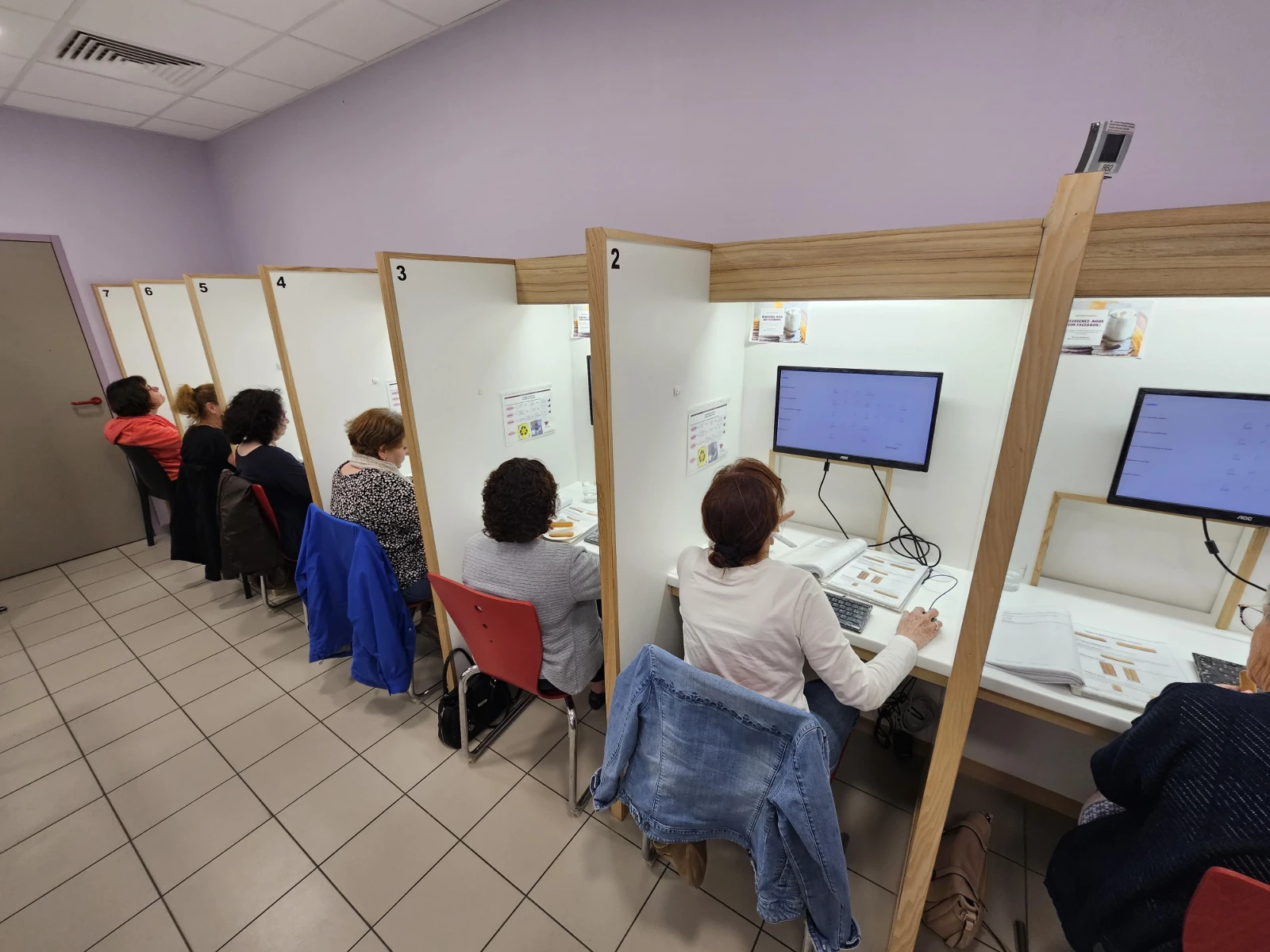
To address this objective, ACTALIA Sensoriel has worked with the Biscuits Bouvard teams to implement a sensory evaluation protocol that enables regular monitoring of production batches through tests conducted by trained sensory assessors. The programme includes:
-
4 sensory evaluation sessions per month, with approximately 30 production batches assessed each month.
-
A panel of around 15 trained sensory assessors, with 10 to 11 participating in each session.
-
Products sampled directly from retail stores, according to a predefined sampling plan.
-
Individual assessments followed by a group debriefing, allowing assessors to share their observations.
This programme is based on the human expertise of a panel trained to recognise the sensory characteristics of the products, using a common evaluation method applied at each session. The stability of the panel, some of whose members have been involved since the programme began, helps ensure continuity in sensory monitoring over time.
Which sensory analysis method is used to assess product conformity?
The sensory assessors have been trained to recognise and evaluate the sensory standards expected for each production batch.
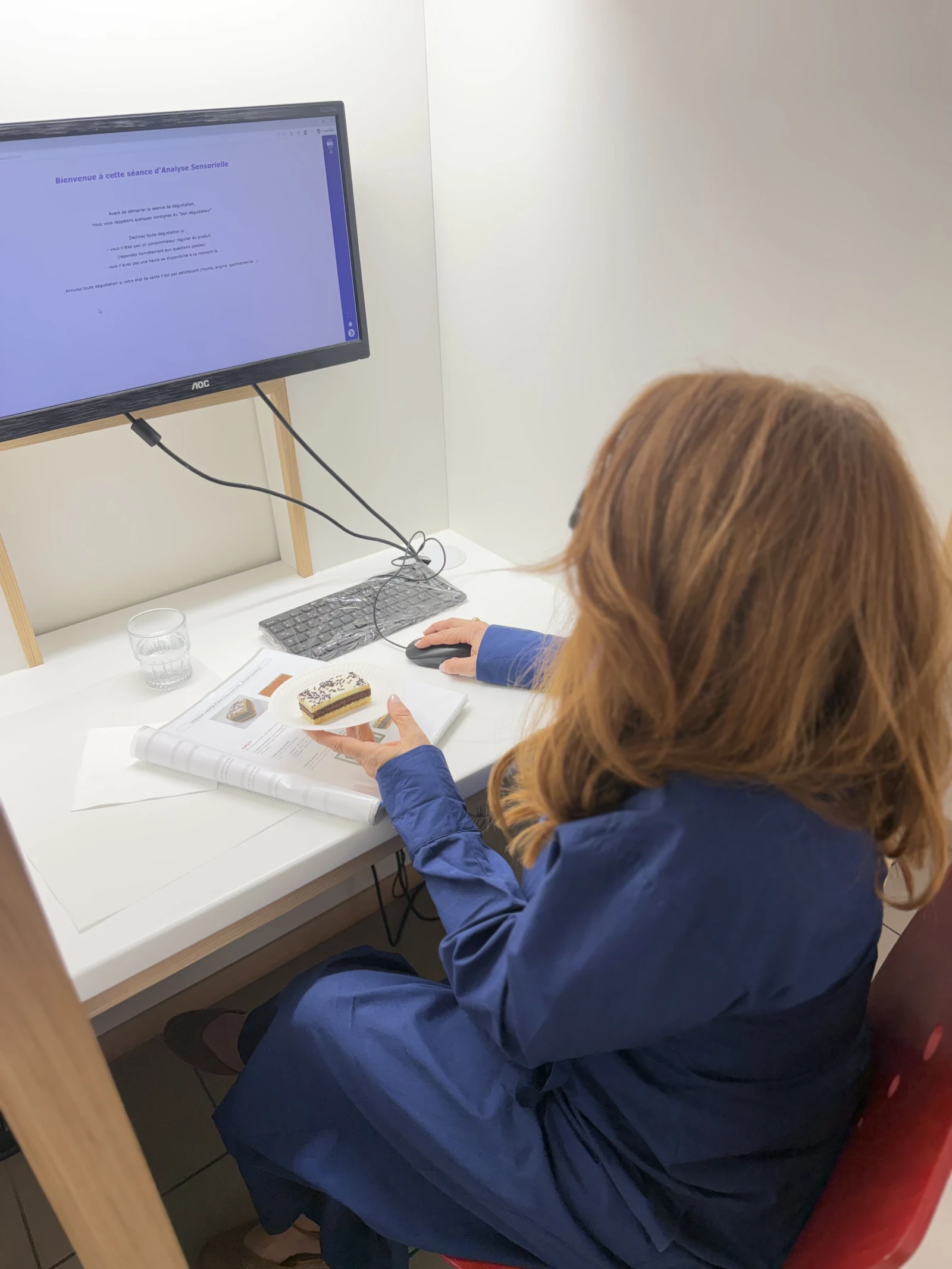
During the sessions, products are assessed across four main dimensions:
-
Appearance: the product's visual characteristics.
-
Odour: its olfactory characteristics.
-
Taste: its gustatory characteristics.
-
Texture: the properties perceived during tasting.
Each criterion is assessed using a sensory evaluation scoring grid. This method provides a quantitative result in the form of a conformity score out of 100, making it possible to monitor changes in production batches over time. The data collected help characterise potential deviations from expected sensory reference standards and track their evolution through successive assessments.
Why assess products directly from retail stores?
A product's sensory characteristics may change between manufacturing and commercialisation. Changes in texture, reduced aroma intensity, an appearance that differs from expectations or even a damaged biscuit are all examples of variations that may occur throughout a product's life. By collecting samples directly from retail stores, ACTALIA Sensoriel assesses finished products after they have passed through the distribution chain. This approach makes it possible to evaluate their organoleptic conformity under conditions that closely reflect the products available to consumers.
This outsourced sensory quality control programme therefore complements quality controls carried out at the factory, providing an independent assessment of the conformity of products available on the market.
Regular monitoring makes it possible to:
-
Objectively assess the sensory consistency of production batches.
-
Detect subtle sensory deviations over time.
-
Identify persistent deviations that may require corrective action.
Monitoring these results provides quality teams with useful information to identify recurring deviations and, where necessary, guide improvement actions.
Sensory monitoring to support product quality
With more than 3,200 production batches assessed since the beginning of the collaboration, this sensory monitoring programme draws on extensive knowledge of the products' organoleptic profiles.
It helps identify potential sensory defects, monitor changes over time and detect possible deviations from expected standards.
Its value lies in this dual approach: verifying conformity with the manufacturer's requirements while assessing products as they are found within the retail distribution chain.
Would you like to implement an outsourced sensory quality control programme for your products?
Contact our team to discuss your project and define a sensory monitoring programme tailored to your needs.